Can You Use a Food Processor to Shred Chicken?
Yes, you can use a food processor to shred chicken, but short pulses and small batches help keep it from turning into a paste. Use cooked, boneless chicken and stop as soon as the pieces are shredded.
On this page (8 sections)
- Can you use a food processor to shred chicken well?
- How do you shred chicken in a food processor?
- How much chicken should you put in the bowl?
- What mistakes make chicken mushy or uneven?
- Is a compact food chopper enough for one serving?
- Should you use a processor or shred by hand?
- How should you clean the processor after chicken?
- Which food processor should you choose for shredding chicken?
Yes, you can use a food processor to shred chicken. For tacos, casseroles, and fillings, pulse cooked, boneless chicken in small batches and stop as soon as it separates into short strands or flakes.
Continuous processing chops the meat too finely and can leave it pasty.
Let the chicken rest until it's safe to handle, remove bones, and cut thick pieces into chunks. Add enough to cover the bottom of the bowl loosely, then pulse and check the texture.
Can you use a food processor to shred chicken well?
A food processor shreds cooked chicken quickly when you use short pulses and watch the texture. The blade chops as it moves, so the result is usually shorter and more even than strands pulled by hand.
That texture works well in tacos, casseroles, chicken salad, and sandwich fillings. If you need long strands for presentation or a particular recipe, forks give you more control.
Start with a few pieces instead of a full bowl. Each processor has a different blade speed and bowl shape, so learn how quickly yours works before adding a larger batch.
For more ways to use the appliance you have, see what a food processor is used for. That guide can help you decide whether a full-size processor earns space in your kitchen.
How do you shred chicken in a food processor?
Use the chopping blade, cooked boneless chicken, and brief pulses. Prepare the chicken before turning on the machine so you can work in short, controlled batches.
- Let freshly cooked chicken rest until it's safe to handle.
- Remove bones and any skin you don't want in the finished dish.
- Cut thick pieces into chunks that fit comfortably in the bowl.
- Add a small batch and secure the lid.
- Pulse briefly, then switch off the machine and check the texture.
- Rearrange any large pieces and pulse again only if needed.
Keep the lid on while pulsing, and switch the machine off before opening it. Don't add broth or sauce before processing because extra liquid can make the chicken wet and harder to control.
Stir in sauce after shredding.
Which blade should you use to shred chicken?
Use the regular chopping blade for cooked chicken. A shredding disc is designed to cut ingredients that pass against its surface, so it may not create loose strands from cooked meat.
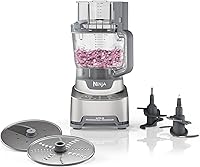
The Ninja Professional XL 12-Cup Food Processor (NF701) includes a chopping blade and four Auto-iQ programs, including one for chopping. Its 12-cup capacity suits larger prep jobs, but use a small batch for chicken so the pieces don't get trapped under a pile of meat.
The Ninja's reversible shredding disc makes fine or coarse cuts for ingredients suited to a disc. For chicken, choose the chopping blade, use a few quick pulses, and check before adding more.
How much chicken should you put in the bowl?
Add only enough chicken to sit loosely in the bowl and move when the blade pulses. A crowded bowl can leave some pieces untouched while others get chopped too finely.
Large capacity doesn't make a processor safer to leave running. It can still overprocess a small amount quickly, so stick with the pulse-and-check method.
The Hamilton Beach Stack & Snap 14-Cup Food Processor includes a 14-cup bowl and a 4-cup mini bowl, with chopping blades for both. The mini bowl is useful for a modest batch, while the larger bowl can support other family-size prep.
The stack-and-snap assembly is suited to cooks who prefer pieces that fit together without twisting or locking. Skip a large processor if your only need is a small serving and counter or storage space is tight.
For a smaller appliance, see what you can use instead of a food processor.
What mistakes make chicken mushy or uneven?
Holding the button down is the most common way to turn chicken into a fine, dense mixture. Pulse once or twice, inspect the pieces, and add only as many bursts as the batch needs.
Very tender meat and small chunks need fewer pulses. If you see a few large pieces among finer bits, stop the machine, move the pieces around, and pulse just long enough to break them down.
Don't add raw and cooked chicken to the same batch. Raw chicken gets chopped rather than pulled into strands, and it needs careful cleanup before any ready-to-eat food touches the bowl or work surface.
Keep hands and utensils away from the blade while the machine is assembled or plugged in. Use a spatula only after switching the appliance off and removing the lid.
Is a compact food chopper enough for one serving?
A compact chopper can handle a small amount when its bowl and blade can move the chicken freely. It's a practical choice if you have limited counter space and don't need a large processor for regular prep.
The KitchenAid 5-Cup Food Chopper (KFC0516) has a stainless steel multi-purpose blade, two speeds, and pulse. It also includes a whisk accessory, so it suits someone who wants a compact chopper for several small kitchen tasks.
Choose this option for small quantities and short, chopped shreds. Skip it if you regularly cook for a crowd or need long strands, since a larger bowl or hand shredding will be easier to manage.
Should you use a processor or shred by hand?
Use a processor for a quick batch of evenly chopped or short-shredded chicken; use forks for more control. The right method depends on how much chicken you have and how distinct the strands need to be.
Two forks work well for a few pieces or a recipe that calls for longer strands. A processor saves repetitive pulling when you have more chicken, but it takes attention during every pulse.
If you want to grind raw meat, a processor creates a different texture from cooked, shredded chicken. Read whether a food processor can grind meat at home before choosing that method.
How should you clean the processor after chicken?
Wash the bowl, lid, blade, and any surface that touched chicken before using them for other food. Follow your appliance's care instructions, and handle the sharp blade carefully during cleanup.
After raw chicken, wash your hands and clean nearby surfaces and utensils before touching ready-to-eat food. Don't reuse an unwashed tool for cooked chicken.
The Ninja Professional XL, Hamilton Beach Stack & Snap, and KitchenAid chopper have dishwasher-safe removable parts listed in their care details. Check your model's manual for which pieces can go in the dishwasher and how to place the blade safely.
Which food processor should you choose for shredding chicken?
Choose the Ninja for frequent batch prep, the Hamilton Beach for two bowl sizes, or the KitchenAid for compact small portions. The right choice depends on how much chicken you make and whether you want a full processor for other kitchen work.
The Ninja is the strongest fit if you also need a large processor for chopping, slicing, shredding other ingredients, and dough mixing. The Hamilton Beach suits cooks who want a large bowl plus a mini bowl and straightforward stack-and-snap assembly.
Pick the KitchenAid if storage space matters more than batch size and you want a small chopper for occasional portions. If you want longer strands or only have a piece or two, use forks; for a broader appliance comparison, browse food processors for chopping vegetables.
For any model, the method stays the same: cooked chicken, a loose batch, short pulses, and a texture check after each burst. Stop as soon as the meat separates, then season or add sauce after processing.
Frequently asked questions
Can a food processor shred cooked chicken?
Yes. Cut cooked, boneless chicken into manageable pieces, add a small batch to the bowl, and pulse briefly until it reaches the texture you want.
Check between pulses because a food processor can move from shredded to finely chopped quickly.
Avoid filling the bowl to the top.
Should chicken be hot or cold before shredding?
Let freshly cooked chicken rest until it's safe to handle, then shred it while warm or after cooling. Warm chicken may separate more easily, but you still need short pulses and small batches.
Don't leave cooked chicken at room temperature for more than 2 hours.
Can you shred raw chicken in a food processor?
A food processor can chop raw chicken, but that produces minced pieces rather than strands of shredded chicken. For recipes that call for shredded chicken, cook it first, then pulse the boneless pieces.
Clean the bowl, blade, lid, and work surface carefully after handling raw poultry.
How do you keep chicken from turning to mush?
Use cooked chicken cut into chunks, process a small amount at a time, and pulse instead of holding the button down. Stop to check the texture after each short burst.
If the chicken is already very tender or the pieces are small, use fewer pulses or shred it with forks by hand.