Can You Use a Food Processor to Make Dough?
Yes, you can use a food processor to make dough when the recipe and machine support it. Choose a suitable blade and bowl size, then stop when the recipe's texture cue is reached.
On this page (9 sections)
- Can you use a food processor to make dough?
- Which doughs work well in a food processor?
- How do you set up a food processor for dough?
- How do you keep food processor dough from getting tough?
- What size food processor do you need for dough?
- When is a stand mixer a better choice?
- Which mistakes should you avoid when making dough?
- How do you clean a food processor after making dough?
- So, can you use a food processor to make dough?
Yes, you can use a food processor to make dough when both the recipe and appliance support that method. It can be a practical choice for pastry, pizza, and other processor-friendly recipes, especially when the bowl has room and the right blade is fitted.
A food processor works quickly, so use the recipe's cues instead of running it until the dough looks perfectly smooth. For longer kneading or large batches, a stand mixer or hand kneading may be a better fit.
Can you use a food processor to make dough?
Yes, a food processor can mix or knead some doughs. The recipe should name a processor method or the machine manual should confirm that the blade and batch are suitable.
Food processors suit quick mixing and recipes that need brief pulses. Pastry often calls for minimal mixing, while pizza and bread dough may need a different sequence or longer work.
A recipe written for a stand mixer does not automatically translate to a processor.
For models designed to handle dough, see our guide to food processors for kneading dough. If you're deciding between appliances, our food processor vs stand mixer guide explains which tasks suit each one.
Which doughs work well in a food processor?
Pastry and pizza dough can work when the recipe is written for a processor. The machine combines ingredients quickly, which makes brief pulses useful when you need control over how much the dough is worked.
Pastry usually needs cold fat and limited mixing. Pizza dough may call for more mixing or kneading, so follow its own method and endpoint rather than using the pastry technique.
Bread dough can also work in some processors, but check the machine's instructions, bowl capacity, and recommended blade first. For large batches or extended kneading, a stand mixer may be easier to manage.
Can a food processor make bread dough?
Some processors can handle bread dough if the machine and recipe allow it. Use the recommended attachment and batch size, then stop if the motor strains or the dough climbs around the blade.
Bread recipes vary in how much kneading they need. Follow the recipe's signs for when mixing is complete, and don't add flour or water just to make the dough look a certain way.
How do you set up a food processor for dough?
Fit the recipe's recommended blade before adding ingredients, and keep the batch within the machine's stated capacity. A crowded bowl can prevent even mixing, while a very small batch may not reach the blade well.
Set the bowl and lid in place according to the manual, then measure ingredients before switching on the machine.
Some recipes call for dry ingredients first, followed by liquid added gradually through the feed tube while pulsing. Use that sequence only when it matches your recipe.
The Ninja PrecisionPro includes a dough blade and an Auto-iQ dough preset. Its 9-cup bowl may suit family meals and larger batches, but the recipe and manual still determine whether a particular dough fits.
After processing, switch off and unplug the machine before removing the lid or handling the blade. Keep hands and utensils clear of moving parts while the processor is running.
How do you keep food processor dough from getting tough?
Stop as soon as the dough reaches the recipe's stated texture. A processor can work quickly, so extra processing may overwork the dough without improving it.
Use short pulses when the recipe calls for them. For pastry, keep the fat cold and stop before the dough becomes smooth; for pizza or bread, follow that recipe's mixing and kneading cues.
If the dough looks dry, crumbly, or sticky, pause and compare it with the recipe's directions before changing the ingredients. Adding extra flour or liquid can change the result, so adjust only when the recipe gives you a reason and a method.
What size food processor do you need for dough?
Choose a bowl that can hold the recipe's full batch with room for ingredients to move. A larger bowl can help with bigger batches, but capacity alone does not confirm that a recipe is suitable for a processor.
The KitchenAid 13-Cup Food Processor includes a dough blade and is described for kneading and mixing doughs. It may suit cooks who want a larger-capacity processor for dough and other prep jobs.
Check the recipe's ingredient amounts against the appliance manual before you start. For pastry batches, our guide to choosing a food processor size for pie crust can help you think through bowl capacity.
When is a stand mixer a better choice?
A stand mixer may suit frequent batches or dough that needs extended kneading. Its dough hook handles mixing and kneading, while a food processor makes more sense when the recipe calls for quick mixing or pulses.
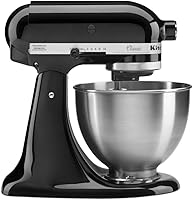
The KitchenAid Classic stand mixer has a 4.5-quart bowl, a coated dough hook, and 10 speeds. Follow the recipe's recommended speed and avoid choosing a faster setting just to finish sooner.
A stand mixer takes counter space, so consider how often you make dough and whether you'll use it for other mixing jobs. Our guide to what a food processor is used for can help you weigh the processor's other kitchen uses.
Which mistakes should you avoid when making dough?
The biggest mistakes are overfilling the bowl, choosing an unsupported blade, and processing past the recipe's endpoint. Each can make it harder to control the mix or get the texture the recipe calls for.
Avoid these common errors:
- Using a mixer recipe without checking the processor manual: the batch size, blade, and timing may not transfer.
- Running the machine continuously when the recipe says to pulse: extra mixing can overwork dough.
- Filling the bowl to the top: follow the appliance's capacity guidance and allow the ingredients room to move.
- Adding flour or water by guesswork: pause and follow the recipe's adjustment instructions.
- Reaching into the bowl while the blade is fitted: switch off and unplug the machine before handling the blade.
How do you clean a food processor after making dough?
Clean the bowl, lid, and blade as soon as practical, following the machine's care instructions. Dough can cling around the blade or under the lid, so remove residue before it dries.
The Ninja PrecisionPro's bowl, lid, pusher, blades, and discs are dishwasher safe. The KitchenAid 13-Cup processor has an easy-clean work bowl designed for a quick rinse with warm water and a small amount of dish soap; check its care guidance for the parts you plan to wash.
Handle blades by a safe edge and keep them away from loose fingers. Dry and store attachments as the manual directs so they are ready for the next batch.
So, can you use a food processor to make dough?
Choose a food processor when the recipe supports its blade, batch size, and quick mixing action. The Ninja suits recipes that use a dough preset, while the larger KitchenAid may suit cooks who want more bowl capacity and a dough blade.
Choose a stand mixer if you often make bigger batches or recipes that call for longer kneading. Compare food processors for kneading dough with our food processor and stand mixer comparison to match the appliance to the dough you make.
Frequently asked questions
Can you knead bread dough in a food processor?
Some food processors can knead bread dough when the appliance instructions and recipe allow it. Use the recommended blade and batch size, and stop at the recipe's texture cue.
A stand mixer or hand kneading may suit a large batch or a recipe that calls for extended kneading.
Which food processor blade should you use for dough?
Use the dough blade when your processor includes one and the manual recommends it for your recipe. Some pastry recipes call for a chopping blade and short pulses.
Follow the recipe's method because blades and dough instructions vary between machines.
Why is food processor dough tough?
Overmixing can make dough tough, and a processor can work quickly. Stop when the recipe's texture cue is reached, and avoid adding flour or liquid unless the recipe directs you to adjust it.
Flour type and ingredient amounts also affect the result.
Can a food processor make pie dough?
Yes, many pie dough recipes use a food processor to cut cold fat into flour and bring the mixture together with short pulses. Stop before it forms a smooth, warm mass, and check that the bowl can handle your recipe's batch.