Can a Food Processor Grind Meat at Home?
Yes, a food processor can chop boneless meat into mince for small batches, but it won't make the same even grind as a dedicated meat grinder. Chill the meat and bowl, cut the meat into small cubes, then pulse briefly.
On this page (8 sections)
- Can a food processor grind meat evenly?
- How do you grind meat in a food processor without making paste?
- Which food processor suits occasional meat chopping?
- Is a large-bowl processor a good choice for family batches?
- When should you choose a meat grinder instead?
- What mistakes make processor-minced meat worse?
- How should you clean and handle the processor after raw meat?
- Should you use a food processor or a meat grinder?
Yes, a food processor can grind meat in the sense of chopping boneless meat into mince, especially for a small batch. It won't produce the same even texture as a meat grinder, so keep the meat cold, cut it into small cubes, and pulse only until it reaches the texture your recipe needs.
A processor is a practical choice if you already own one and only need minced meat now and then. If you want repeatable ground meat, larger batches, or sausage, choose a dedicated grinder.
Can a food processor grind meat evenly?
A food processor can chop meat into coarse or fine pieces, but the texture may vary. Its blade cuts and chops in the bowl instead of pushing meat through a grinding plate.
Use short pulses and inspect the meat between them. The pieces nearest the blade may become finer before the rest, so scrape the bowl if needed and stop before the meat smears into a paste.
For a clearer comparison of the two appliances, see food processor or meat grinder for ground meat. If you're weighing other processor jobs, what a food processor is used for covers common uses.
How do you grind meat in a food processor without making paste?
Work with cold meat in small batches and pulse briefly. The colder, firmer pieces are easier to control than warm, soft meat.
- Trim away bone and tough gristle.
- Cut boneless meat into small, even cubes.
- Chill the meat, bowl, and blade until cold.
- Add a batch with room for the pieces to move around the blade.
- Pulse in short bursts, checking the texture after each one.
- Stop when the mince is slightly coarser than you want, since handling and mixing can break it down further.
Avoid running the motor continuously. If the meat begins to look glossy, smear along the bowl, or clump into a paste, stop and chill it again before deciding whether to continue.
What set-up helps a food processor chop meat?
A clean, cold bowl and a sharp chopping blade give you a more controlled start. Assemble the bowl and lid according to the manual before adding meat, and make sure the blade is locked in place.
Keep the bowl on a stable, dry counter and have a separate clean plate ready for the finished mince. Process only what you can handle promptly, then refrigerate or cook it according to safe food handling guidance.
A larger bowl can help you work through a batch in stages, but don't fill it to the top. Meat needs room to move so the blade can chop it more evenly.
Which food processor suits occasional meat chopping?
Choose a food processor for meat if you also want it for regular chopping, slicing, shredding, pureeing, or dough mixing. The processor earns its counter space through those other jobs, while meat chopping remains an occasional use.
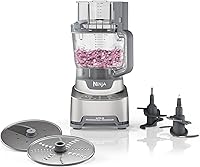
The Ninja Professional XL NF701 has a 12-cup bowl, a chopping blade, and four Auto-iQ programs for tasks including chopping, slicing, shredding, pureeing, and dough mixing. Its large feed chute and reversible shredding disc also support broader meal prep.
This suits cooks who want one appliance for varied prep and can work in small meat batches. Skip it if your main reason for buying is frequent, even grinding or making sausage.
For more on choosing capacity for your kitchen, read what size food processor you should buy.
Is a large-bowl processor a good choice for family batches?
A large bowl is useful for batch prep, but it doesn't turn a processor into a meat grinder. Leave space around the meat and process it in several loads instead of packing the bowl full.
The Cuisinart Custom 14-Cup Food Processor includes a stainless steel chopping and mixing blade, a 14-cup bowl, and on and off/pulse buttons. It also comes with slicing and shredding discs, making it a fit for cooks who want a large processor for several kinds of kitchen prep.
Use the pulse button to check the texture often. Choose this model for its broader food-prep role, not simply because the bowl is larger; a full bowl of meat can chop unevenly.
If your goal is cooked, shredded chicken rather than raw mince, see how to use a food processor to shred chicken. The texture and method differ from chopping raw meat.
When should you choose a meat grinder instead?
Choose a dedicated meat grinder for frequent batches, a more consistent grind, or sausage making. Grinding plates shape the meat as it passes through, which is different from chopping it with a food processor blade.
The Weston #12 Electric Meat Grinder includes medium and coarse stainless steel grinding plates, a cutting blade, a sausage stuffing funnel, and a stomper. It has two speeds and a reverse function, and Weston gives a grinding rate of 4 to 5 pounds per minute.
This is the clearest fit when meat is the appliance's main job. Skip it if you only need a small mince occasionally and would get more use from a food processor's other functions.
The trade-off is storage and setup: a grinder is a separate appliance with parts to assemble and clean. For a side-by-side decision, use the guide to food processors and meat grinders.
What mistakes make processor-minced meat worse?
Overfilling the bowl and pulsing too long are the main ways to lose control of the texture. Meat that's warm or cut into uneven pieces can also produce a mix of paste and larger chunks.
- Don't run the processor continuously. Pulse, pause, and inspect the mince.
- Don't crowd the bowl. Split the meat into smaller batches.
- Don't add bones. A standard food processor blade and bowl are for food prep, not bones.
- Don't ignore gristle. Remove tough pieces that could interfere with chopping.
- Don't keep processing to make every piece identical. If uniformity matters, use a grinder.
If a recipe depends on a consistent grind, ask a butcher to grind the meat or use a dedicated grinder. A processor is best when some variation in the mince is acceptable.
How should you clean and handle the processor after raw meat?
Clean every part and work surface that touched raw meat before using them for other food. Wash your hands with soap and water, then wash the bowl, blade, lid, and any utensils.
Follow the food safety instructions for the meat you're preparing and keep raw meat cold. The USDA's ground beef and food safety guidance explains safe handling and cooking temperatures.
Check the appliance manual for care instructions before washing parts. Some processor parts are dishwasher safe, but the motor base should stay dry.
Should you use a food processor or a meat grinder?
Use a food processor for occasional small batches when you value its other kitchen jobs; use a grinder when meat is a regular task. The processor offers flexibility, while a grinder is built to produce a more consistent grind and can support sausage making.
Choose the Ninja if you want a 12-cup processor with multiple prep functions. Choose the Cuisinart if you want a 14-cup processor with pulse control and several included blades and discs.
Choose the Weston if grinding is your priority.
For a small batch, the answer to “can a food processor grind meat?” is yes, as long as you keep it cold and stop before it turns pasty. If you aren't sure a processor fits your cooking habits, do you really need a food processor? can help you decide.
Frequently asked questions
Can you put raw meat in a food processor?
Yes, you can process raw meat in a food processor, but keep it cold and work in small batches. Trim away bone, cut the meat into small cubes, and use short pulses so it chops instead of turning into a paste.
Wash the bowl, blade, lid, and hands after handling raw meat.
How do you grind meat in a food processor without making paste?
Chill the meat and processor bowl, cut the meat into small cubes, and pulse briefly in batches. Stop when the pieces look like coarse mince, before they smear along the bowl.
Avoid filling the bowl deeply, since crowded pieces can process unevenly.
Is a food processor as good as a meat grinder?
A food processor can chop meat for small, casual batches, while a dedicated grinder is better for a consistent grind and larger amounts. A food processor uses its blade to chop, so the texture can vary and turn pasty if you run it too long.
What food processor size works for grinding meat?
A larger bowl gives you room to work in batches, but capacity alone doesn't make a food processor a meat grinder. Choose a bowl size that suits your usual cooking, and leave enough space for meat pieces to move around the blade instead of packing it full.