Food Processor or Meat Grinder for Ground Meat? (November 2026)
Choose a meat grinder for regular batches of ground meat and a food processor for occasional small amounts plus other kitchen jobs. This food processor vs meat grinder guide compares texture, setup, cleanup and the work each appliance handles best.
On this page (7 sections)
- Food Processor or Meat Grinder for Ground Meat?
- Food processor vs meat grinder: which should you choose?
- When is a food processor the better choice?
- When is a meat grinder the better choice?
- Which tool is easier to use and clean?
- How much ground meat do you need to make?
- Food processor vs meat grinder: what's the final choice?
Food Processor or Meat Grinder for Ground Meat?
Choose a meat grinder for regular batches of ground meat and a food processor for occasional small amounts plus other kitchen jobs. In this food processor vs meat grinder comparison, the key difference is whether ground meat is your main task or one of several.
A food processor chops and mixes with a blade inside a bowl. A meat grinder feeds meat through a cutting blade and plate, which gives you a dedicated path for grinding.
For a processor that can also chop meat, the Cuisinart Custom 14-Cup Food Processor pairs a large bowl with a chopping/mixing blade. For frequent grinding, the Weston #12 Electric Meat Grinder and Sausage Stuffer includes medium and coarse plates, plus sausage-stuffing accessories.
 Best for versatile prep
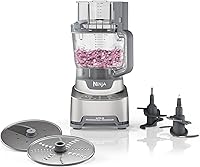
Ninja Professional XL 12-Cup Food Processor (NF701)

Food processor vs meat grinder: which should you choose?
Pick a grinder if you want ground meat in repeat batches; pick a processor if you want broad food prep with occasional meat chopping. The right choice depends on what you make most often, how much you prepare at once and whether you want one appliance or a specialized tool.
A grinder's plates let you choose between medium and coarse results. A processor's chopping blade cuts meat into pieces, so the texture depends on the batch size and how long you pulse.
How does a food processor vs meat grinder change meat texture?
A meat grinder pushes meat through a cutting blade and plate. The Weston includes medium and coarse stainless steel grinding plates, so you can choose between those two plate styles.
A food processor chops meat with a blade inside its bowl. Short pulses and small batches give you more control than running the motor continuously, which can turn chopped meat into a paste.
Use a food processor for raw meat only if its manual permits it. Keep the meat cold and follow a trusted food-safety source for handling and cleaning guidance.
Who should choose a food processor vs meat grinder?
Choose a food processor if you make meat only now and then and want the same machine for vegetables, sauces, shredded cheese or dough. The Cuisinart and Ninja both have broad food-prep functions, so their value comes from more than meat chopping.
Choose a meat grinder if you regularly prepare ground meat, want to vary the grind with plates, or plan to stuff sausages. A grinder is a poor fit if you mainly need slicing, shredding, pureeing or dough mixing.
When is a food processor the better choice?
A food processor is the better choice when meat prep is occasional and you also chop, slice, shred or puree other foods. It earns counter space through the range of jobs you use it for.
The Cuisinart has a 14-cup bowl, a 720-watt motor and a chopping/mixing blade. It also comes with slicing and shredding discs and can knead dough.
The guide to what a food processor is used for covers other tasks these machines can handle. If you mainly need a processor for vegetables, see our food processor picks for chopping vegetables.
How should you set up a processor for occasional meat?
Start with a clean, dry bowl and blade, then cut the meat into small pieces that fit comfortably in the bowl. Chill the meat before processing, and work in modest batches so the pieces can move rather than pack tightly around the blade.
Secure the lid and use brief pulses, checking the texture between them. Stop as soon as the meat is chopped to your liking, since running the blade longer can make the pieces too fine or paste-like.
Use a processor for raw meat only if its manual permits it. Afterward, disassemble the parts as directed and clean the bowl, lid and blade before using them for other foods.
Which food processor fits this job?
The Cuisinart Custom 14-Cup Food Processor suits cooks who want a large bowl and a tool that handles many prep jobs alongside occasional meat chopping.
The Ninja Professional XL 12-Cup Food Processor (NF701) offers 4 Auto-iQ programs for chopping, slicing, shredding, pureeing and mixing dough. Its XL feed chute and reversible shredding disc are useful for routine prep, though they don't turn it into a dedicated grinder.
Who should skip a food processor for meat?
Skip the processor route if you expect to grind meat often, want a repeatable result from grinding plates, or plan to make sausage. Chopping in a bowl can handle occasional recipes, but it asks you to watch the texture closely and process in batches.
Also skip buying a processor solely for ground meat if you don't need its other functions. A dedicated grinder is more aligned with that job, while the processor earns its place through chopping, slicing, shredding, pureeing and dough work.
When is a meat grinder the better choice?
A meat grinder is the better choice when you grind meat often or want to make sausages at home. Its feed path, plates and accessories are designed for that work.
The Weston #12 has a 750-watt, 1 HP motor, 2 speeds and a reverse function. It comes with medium and coarse grinding plates, plus a sausage stuffing funnel and spacer.
Weston states a grinding rate of 4 to 5 pounds per minute. The model's 5-pound capacity and included accessories suit larger or recurring batches more naturally than a processor bowl.
The guide to grinding meat in a food processor explains when chopping can work and how to avoid overprocessing. If ground meat is a regular part of your cooking, a dedicated grinder gives you a more direct setup.
How do you set up and use a grinder?
Set the grinder on a stable counter with room for the feed tray and a bowl at the outlet. Assemble the head, cutting blade and selected plate according to the manual, then lock the parts in place before plugging in the machine.
Cut meat into pieces that fit the feed opening and use the stomper as directed. Feed steadily, avoid forcing pieces through, and use reverse only as the manual instructs if meat jams.
For sausage, use the funnel and spacer included with the Weston. Prepare the meat and casings first, then follow the grinder instructions for the stuffing attachment and safe handling.
Does a grinder work for other kitchen tasks?
A meat grinder focuses on grinding meat and stuffing sausage. It won't replace a processor's slicing disc, shredding disc or bowl blade for vegetables, sauces and dough.
If you only need ground meat a few times each year, consider whether that focused use justifies a separate appliance. The food processor alternatives guide can help you match other kitchen jobs to tools you already have.
Who should skip a meat grinder?
Skip a dedicated grinder if you only need a small amount of chopped meat once in a while and don't plan to make sausage. Its specialized parts and countertop footprint may go unused if most of your prep involves vegetables, sauces or dough.
A grinder also won't cover the broad prep tasks that make a processor useful. If you want one appliance for several jobs, choose a processor and accept that meat texture takes more attention.
Which tool is easier to use and clean?
A processor uses a bowl, lid and blade for chopping, while a grinder needs its grinding head and plate in place. Both require prompt cleaning after raw meat, and the exact steps depend on each appliance's manual.
The Cuisinart has on and off/pulse buttons and dishwasher-safe parts. The Ninja's bowl, lid, discs and blades are also dishwasher safe.
The Weston includes a grinding head, cutting blade and plates. Disassemble and clean it as its manual directs, taking care around the cutting parts.
Keep raw meat separate from ready-to-eat foods. Wash hands, work surfaces and tools after contact with raw meat, and follow USDA safe food handling guidance.
What mistakes should you avoid with either tool?
Don't fill a processor bowl until meat is crowded around the blade. Overfilling makes it harder to pulse evenly, so use small batches and check the texture often.
Don't run a processor continuously when you want chopped pieces. A few extra seconds can shift the result toward a fine, sticky texture.
With a grinder, don't assemble the blade and plate out of order or force meat into the feed opening. Use the manual's assembly and feeding instructions, and clean the parts after each meat session.
How much ground meat do you need to make?
Choose by batch frequency and size, not just by motor wattage. A large processor bowl doesn't make it a meat grinder, and a grinder may be more appliance than you need for one small batch now and then.
For a burger night or a recipe that calls for a small amount, a food processor can be practical if its manual permits meat. Process in batches so pieces can move around the bowl, and stop to check texture.
For regular meal prep, bulk meat or sausage making, the Weston is a closer fit. Its 5-pound capacity and grinding plates support a different workflow than chopping a small amount in a processor bowl.
Food processor vs meat grinder: what's the final choice?
Choose the Weston for repeat grinding and sausage making; choose a food processor for occasional meat plus everyday prep. Let your most common kitchen job decide which appliance will earn its space.
The Cuisinart fits cooks who want a large bowl for vegetables, sauces and dough, while the Ninja adds preset programs and a large feed chute for routine food prep. Choose the Weston when grinding plates and sausage-stuffing parts match work you do regularly.
If you choose a processor, keep batches small and use brief pulses for control. For frequent ground meat, choose the dedicated grinder; for processor sizing beyond meat, read what size food processor to buy.
Frequently asked questions
Can a food processor grind meat?
A food processor can chop meat into small pieces, but the result may be less even than meat passed through a grinder. Work in small batches with cold meat, pulse briefly, and stop before the pieces turn into a paste.
Check your machine's manual before processing raw meat.
Is a meat grinder better than a food processor for ground beef?
A meat grinder is the better fit if you regularly make ground beef because it is designed for grinding and uses plates to shape the meat. A food processor suits occasional small amounts when you also need a machine for chopping vegetables, pureeing sauces or mixing dough.
Can I use a food processor to make sausage?
A food processor can chop or mix ingredients for sausage, but it does not have a grinding head or stuffing funnel. A dedicated grinder with sausage accessories is more suitable for grinding meat and filling casings.
Follow the appliance manual and a trusted food-safety source for handling raw meat.
Which tool is easier to clean?
Cleanup depends on the parts and how much meat you process. A food processor has a bowl, lid and blade to wash; a grinder has its grinding head and plates, which need careful cleaning after meat.
Check the manuals for safe disassembly and cleaning instructions.