Ninja or KitchenAid Food Processor: Which Fits You? (November 2026)
Choose the Ninja for preset programs and a 9-cup bowl, or KitchenAid for direct speed controls and in-bowl tool storage. The best Ninja vs KitchenAid food processor for you depends on your batch size and which accessories you'll use.
On this page (9 sections)
- Ninja vs KitchenAid food processor: what is the main difference?
- Which model fits your batch size?
- How do their controls compare?
- Which accessories match your cooking?
- How do assembly and cleanup differ?
- Which food processor is easier to store?
- When should you choose Ninja?
- When should you choose KitchenAid?
- Which Ninja or KitchenAid food processor should you pick?
Choose the Ninja for preset controls and a 9-cup bowl, or KitchenAid for direct speed controls and in-bowl tool storage. In this Ninja vs KitchenAid food processor comparison, the best fit depends on your usual batch size and the tasks you want one machine to cover.
The Ninja Professional Plus BN601 and KitchenAid KFP0921 both have 9-cup bowls. KitchenAid also offers the KFP0718, with a 7-cup bowl and in-bowl accessory storage.
The main difference is how you work. Ninja uses Auto-iQ programs, while these KitchenAid models use High, Low and Pulse settings.
 Best for preset-control cooks
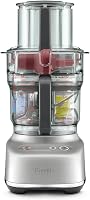
Ninja Professional Plus 9-Cup Food Processor (BN601)

Ninja vs KitchenAid food processor: what is the main difference?
Ninja emphasizes one-touch preset programs; KitchenAid gives you 3 speed choices and accessories that store inside the bowl. Both brands offer a 9-cup option, so compare controls and included tools before deciding on capacity alone.
The Ninja BN601 has a 1000-peak-watt motor and 4 Auto-iQ programs for chopping, slicing, pureeing and dough. Its parts include a chopping blade, dough blade, reversible slicing and shredding disc, feed chute and pusher.
KitchenAid's 7-cup KFP0718 keeps the setup simple, with a multipurpose blade and reversible slice and shred disc. Its 2-in-1 feed tube accepts different ingredient shapes and sizes, and its blades and disc nest inside the bowl.
The 9-cup KitchenAid KFP0921 adds a four-blade multipurpose blade, whisk accessory, dough blade and refrigerator lid. It has the same 3 speed settings and in-bowl storage approach as the smaller model.
Which model fits your batch size?
Choose a 7-cup bowl for moderate everyday prep and a 9-cup bowl when you regularly make larger batches. Think about the biggest recipe you make often, not just the largest one you might prepare once a year.
The Ninja BN601 and KitchenAid KFP0921 each have 9-cup bowls. That shared capacity makes their controls and tools more useful deciding points than size.
The KitchenAid KFP0718's 7-cup bowl may be enough for vegetables, cheese, sauces or salsa for regular meals. Its capacity can be easier to manage when you don't need to process a large batch.
If you're unsure which capacity suits you, use our guide to choosing a food processor size. For a wider look at daily options, see food processors for everyday home cooking.
How do their controls compare?
Pick the Ninja if you want named preset programs, or KitchenAid if you prefer choosing High, Low or Pulse directly. Neither control style is automatically better; choose the one that feels clear for your regular tasks.
The Ninja's 4 Auto-iQ programs cover chopping, slicing, pureeing and dough. The presets offer a straightforward path when those are the jobs you use most.
Both KitchenAid models have 3 speeds: High, Low and Pulse. That gives you direct speed choices across tasks such as chopping, shredding, slicing and pureeing.
The Ninja also has 3 speeds in addition to its preset programs. The practical difference is that Ninja names its Auto-iQ functions, while KitchenAid highlights the three settings.
Which Ninja vs KitchenAid food processor controls suit you?
Pick controls based on how much guidance you want during prep. Presets give you named task choices, while High, Low and Pulse let you choose the speed yourself.
If you often make the same kinds of chopped vegetables, purees or dough, the Ninja's named programs may make the choice feel simple. The KitchenAid settings suit cooks who want to select a speed or pulse as needed.
Neither approach removes the need to prepare ingredients sensibly. Cut large items into pieces that fit the feed opening, secure the lid, and use Pulse for short bursts when you want more control over texture.
Which accessories match your cooking?
Choose the Ninja BN601 for a dough blade and reversible slicing and shredding disc, or the KitchenAid KFP0921 for a whisk and refrigerator lid as well. Match the included tools to meals you actually make.
The Ninja includes a chopping blade, dough blade and reversible slicing and shredding disc. That covers common prep tasks and dough without requiring you to add those tools separately.
The 7-cup KitchenAid includes a multipurpose blade and a reversible medium slicing and shredding disc. Its 2-in-1 feed tube helps process ingredients in different shapes and sizes, such as tomatoes, cucumbers and potatoes.
The 9-cup KitchenAid adds more named functions. Its four-blade multipurpose design is intended for tougher ingredients and mincing, while the whisk can handle cream and the dough blade can knead dough.
Choose the KFP0921 if you expect to use those extra tools. If dough is a deciding factor, see our guide to food processors for kneading dough.
How do assembly and cleanup differ?
KitchenAid highlights one-click bowl assembly and a quick wash in the work bowl; Ninja lists dishwasher-safe removable parts. Check which care routine fits your kitchen before settling on a model.
Both KitchenAid bowls use twist-free, one-click assembly with a latched lid. KitchenAid also describes adding warm water and 1 to 2 drops of dish soap to the leak-resistant bowl to clean the bowl and blades.
The KFP0718 stores its blades and disc inside the bowl. The KFP0921 also stores accessories inside its bowl and includes an integrated cord wrap in the base.
The Ninja's removable parts are BPA-free and dishwasher safe. Its package includes several attachments, so plan space to dry or store the accessories you use.
After processing, unplug the machine before handling blades or discs. Rinse parts soon after use so wet dough, cheese or puree has less time to cling, and use a brush around blade edges instead of wiping toward them.
Which food processor is easier to store?
The 7-cup KitchenAid has the clearest storage advantage for its included tools because they fit inside the work bowl. The 9-cup KFP0921 also has in-bowl storage, while the Ninja includes several separate attachments.
The KFP0718 measures 7.87 inches deep, 9.65 inches wide and 15.35 inches high. The KFP0921 has the same dimensions, despite having a larger bowl.
The Ninja measures 7.76 inches deep, 9.88 inches wide and 16.02 inches high. Measure counter and cabinet clearance, especially if you plan to keep the processor assembled between uses.
Storage also depends on the accessories you keep on hand. If you often use every disc and blade, account for the space needed for each set, not just the base and bowl.
What setup and use mistakes should you avoid?
Set up the processor on a level, clear counter and lock the bowl and lid in place before adding ingredients. These habits make the first use more orderly and help you avoid stopping to correct a loose assembly.
Read the instructions for your exact model before attaching a blade or disc. The models differ in tools and assembly, so don't assume an accessory fits another model just because both carry the same brand name.
Avoid filling the bowl to the brim or pushing ingredients down while the machine runs. Work in batches when needed, and use the feed tube and pusher as directed.
For even results, cut ingredients into manageable pieces and avoid running the machine longer than a recipe requires. Short pulses can help keep chopped ingredients from turning into puree, while dough should follow the recipe's mixing guidance.
When should you choose Ninja?
Choose the Ninja BN601 if preset programs, a dough blade and a 9-cup bowl fit your routine. Its motor and included reversible slicing and shredding disc support several common prep jobs.
It may suit batch cooking, family meals or meal prep when you want to process more at once. Dishwasher-safe removable parts may also suit you if you prefer to put suitable accessories in the dishwasher.
Skip this model if a 9-cup bowl is more capacity than you use, or if you prefer the KitchenAid approach of choosing High, Low or Pulse directly. A larger bowl and more preset options matter only when they fit your actual routine.
Read our Ninja food processor guide for a closer look at the brand's processor options. Our article on whether Ninja food processors are good also covers how to weigh the brand against your kitchen needs.
When should you choose KitchenAid?
Choose KitchenAid if you want direct 3-speed controls and tools that store in the bowl. Pick the 7-cup KFP0718 for smaller batches or the KFP0921 for a 9-cup bowl and a wider accessory set.
The KFP0718 suits everyday chopping, slicing, shredding and pureeing. Its 2-in-1 feed tube and in-bowl storage are practical if you want fewer loose parts in a cupboard.
The KFP0921 fits cooks who want a whisk, dough blade and refrigerator lid with a 9-cup bowl. It includes more tools, so consider whether you'll use those functions before choosing it over the simpler 7-cup model.
Skip the KFP0718 if a dough blade is essential, since its included components don't specify one. Skip the KFP0921 if you won't use its extra accessories and would rather keep the setup focused on everyday prep.
Which Ninja or KitchenAid food processor should you pick?
Pick the Ninja BN601 for preset programs and a 9-cup bowl; choose the KitchenAid KFP0921 for added whisk and dough tools; choose the KFP0718 for everyday prep and in-bowl storage. Your most common tasks and batch size give you a clear decision rule.
If you regularly make dough or want named presets, start with the Ninja and KFP0921. If your usual jobs are chopping, slicing and shredding smaller batches, the KFP0718 is the more direct fit.
If you're still comparing models across brands, explore our food processor picks for a broader starting point. For a closer look at the Ninja model, read the Ninja Professional XL review.
Frequently asked questions
Is Ninja or KitchenAid better for a food processor?
Ninja suits you if you want preset programs for chopping, slicing, pureeing and dough, while KitchenAid offers three direct speed settings on both models here. For KitchenAid, choose the 7-cup model for everyday prep or the 9-cup model for its whisk and dough accessories.
Which has the larger bowl, Ninja or KitchenAid?
The Ninja Professional Plus and KitchenAid KFP0921 both have 9-cup bowls; the KitchenAid KFP0718 has a 7-cup bowl. A 9-cup bowl gives you more room for a batch, but your counter space and typical recipe size matter too.
Can these food processors make dough?
The Ninja BN601 and KitchenAid KFP0921 include dough blades, so either is the clearer fit for dough tasks. The KFP0718's included components don't specify a dough blade, so check the exact model package if dough is a priority.
Which food processor is easier to clean?
Both KitchenAid models have a one-click bowl assembly and a cleaning method that uses warm water and dish soap in the bowl. The Ninja's removable parts are dishwasher safe, while the KFP0921's care instructions include both dishwasher safe and hand wash.
Which is better for small kitchens?
The KitchenAid 7-Cup is the smaller-bowl choice and stores its blades and disc inside the bowl. Still, compare its dimensions with your counter and cabinet space before choosing, since a smaller capacity alone doesn't guarantee a better fit.